
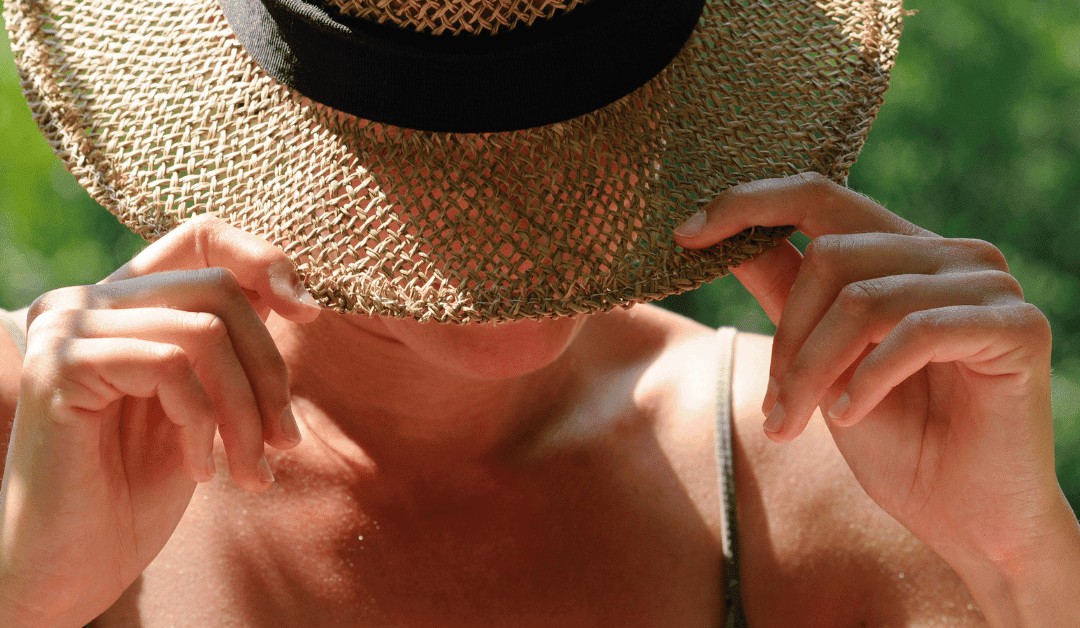
Skincare is different for everyone. It can also be different for each climate, and when you live in countries with tropical climates, such as Cambodia, you have to play by a different set of rules.
The majority of online skincare and cosmetic advice gets written from a Western point of view. Naturally, European and American bloggers will say what works for them as they typically live over half their years in moderate or chilly climates. What does that mean for Cambodian residents? It means not all of the advice we usually read online is 100% relevant. This article is for us!
We’ve put together this ultimate guide to skincare in hot climates to help you get the most relevant tips for your situation if you’re living in Cambodia or any other hot country. Let’s go!
Use sun cream/sunscreen daily.
Sunscreen, sunscreen, sunscreen. We say this very often at The Era Clinic, but that is because it is so important, and many people who live in Cambodia or South East Asia do not prioritize sun protection. Please take care of your skin.
Good tip: buy a big bottle of sunscreen to keep at home and a small one to carry with you on the go! In addition to using sunscreen, try not to stay in the sun for long periods. Take breaks when you can, or try to handle outside activities in the early morning or close to sunset.
Avoid hot showers & keep them short.
Take advantage of the fact that hot showers are less tempting here than in colder countries. Take lukewarm showers instead. Hot water can dry out your hands and other parts of your body, which can cause the inflammation of existing skin problems and age your skin faster.
Along with wrinkles, a long-term habit of washing with boiling water can also increase the likeliness of cracked skin as we age.
Become a moisturizing & skin hydration addict.
Exposure to the sun is a big problem for skin care in hot climate countries. Locking in moisture is, therefore, even more critical. For some people, making a habit of moisturizing is like a walk in the park. For others, it is more challenging to maintain consistency.
The best way we’ve found is to encourage yourself to become obsessed with skin hydration. Why does this work? Because the term “skin hydration” makes you think more about the result – not just the action. Every time you say “skin hydration,” you are reminded of the goal.
The goal is not only to “put cream on your skin” but to take care of your skin health so you can look and feel better. What is the best type of moisturizer for hot climates? Water-based or gel-based moisturizers.
Still go to the sauna.
Some people believe there is no reason to use a sauna in a hot country. We disagree. It’s not all about heat, heat, and more heat. Saunas can help to release toxins and increase your blood circulation, which is known to improve the flow of nutrients around your skin. The result is a refreshed, healthier-looking complexion.
If you decide to use a sauna, always shower afterward – preferably with lukewarm or cold water to close your pores.
Saunas are great for the skin health of residents of hot-climate countries – however, we must insert a word of caution here. Please note that saunas may not be ideal for all skin types. If you’re one of the lucky ones, we’ll see you there. If not, don’t worry – the following tip might be a better fit for you.
Enjoy relaxing oil massages.
South East Asia is well known for its massages, but they’re not only for tourists. Residents should take full advantage of the skilled hands we have in our region of the world – especially in Cambodia. Not only do oil massages offer the benefit of relaxation, but they are also wonderfully effective at improving circulation and skin hydration.
We’ve said it before, and it needs repeating, hydration is paramount when living in hot climates. Combining occasional spa trips with your home moisturizing routine will keep your skin looking and feeling fresh.
Drink more water.
The standard recommendation for water consumption is 3.7 liters for men and 2.7 liters for women. A good rule of thumb is to encourage yourself to drink more than is needed to quench your thirst.
Drinking enough water is one of the most straightforward yet most difficult skin health tips to get right. In Cambodia’s climate, staying hydrated is especially important for your general health and skincare efforts.
Staying hydrated helps to maintain your skin’s natural elasticity and aids your body’s processes of releasing unwanted chemicals and bacteria from your skin. If you find yourself slipping from your water-drinking routine, no problem – just consciously remind yourself and get back on track.
Choose moderate air conditioner settings.
Avoid extreme temperature changes whenever possible. Just as we mentioned with hot showers, the same applies to cold. In Cambodia, we have the habit of setting our air conditioner as low as possible. It may feel soothing but rapid changes in temperature multiple times per day are not so friendly to your skin.
When we think about this as sending mixed signals to your body, it is easy to see that these rapid changes might cause unfavorable skin reactions. This is especially true if the air conditioning is aimed directly at your face or sensitive areas.
Wash your skin after contact with rainwater.
This article is especially essential if you read it during the rainy season. As everybody knows, rainwater is dirty. Even though we know this, we don’t consider how rainwater might affect our skin. Maybe it is because the weather is still hot even when it rains.
Nonetheless, we need to remember to focus on skin health. If you get caught in the rain, wash the areas of your skin that got wet. A quick rinse at the sink is usually ok.
Wash your face twice per day.
As part of your skincare routine, we recommend washing your face in the morning when you wake up and at night before you sleep. The reason is to wash away any unwanted bacteria that can accumulate daily.
Cleansing your face is essential because after sweating, there is a more significant potential for bacteria to manifest into spots. The best facial care products are gentle cleansers containing natural ingredients.
Rethink your mask-use routine.
The world has been through an intensive phase of wearing masks, but for most of us living in Cambodia, masks have always been a part of life.
Avoid reusing disposable masks, and even if your mask is reusable – make sure you have a collection and keep washing them as often as your socks!
Also, try not to wear makeup under your mask, as this can irritate and clog your pores.
Prioritize your sleep to keep your skin resilient.
Sweltering nights can be tough to sleep through. Make sure you have the perfect temperature and bedding to ensure that you have a relaxing sleep every night.
Sleep deprivation is a killer for your skincare efforts. When you get enough sleep, your skin is stronger and more resilient against the intensity of every day’s temperature, humidity, and solar radiation.
Bonus tip: avoid all caffeine after the early afternoon to ensure it doesn’t keep you awake at night.
Avoid wearing heavy cosmetic products in hot climates.
Heavy cosmetic products may result in pores clogging and the inflammation of acne. Even if you do not have sensitive skin, choosing cosmetic products that say “sensitive” might be a good idea. Why?
Because they typically contain lighter ingredients. In hot climates, more lightweight products are likely to cause fewer pore-clogging issues.
Alternatively, you can shop for products developed specifically for Southeast Asian markets.
Try Vitamin C serums, Retinol, and AHAs (depending on your skin type!)
Vitamin C serums can be great for hot climates because they encourage the natural production of collagen and help with sun protection. Whichever serums you choose, make sure you stick to light ones.
You can also try retinol and alpha-hydroxy acids (AHAs). These products can help to manage oily skin, which is a problem for many of us in hot climates.
If you have sensitive skin, take care not to use too much. If it is your first time using such products, we recommend only using minimal amounts to test your sensitivity. Remember, everybody’s skin is different.
There you have it – your guide to skincare in hot climates like Cambodia!
If you liked this article, let us know in the comment section. We’d love to hear from you!
Do you have any special skincare tips to add to our list? Share your thoughts below to join the conversation!
Recent Comments